
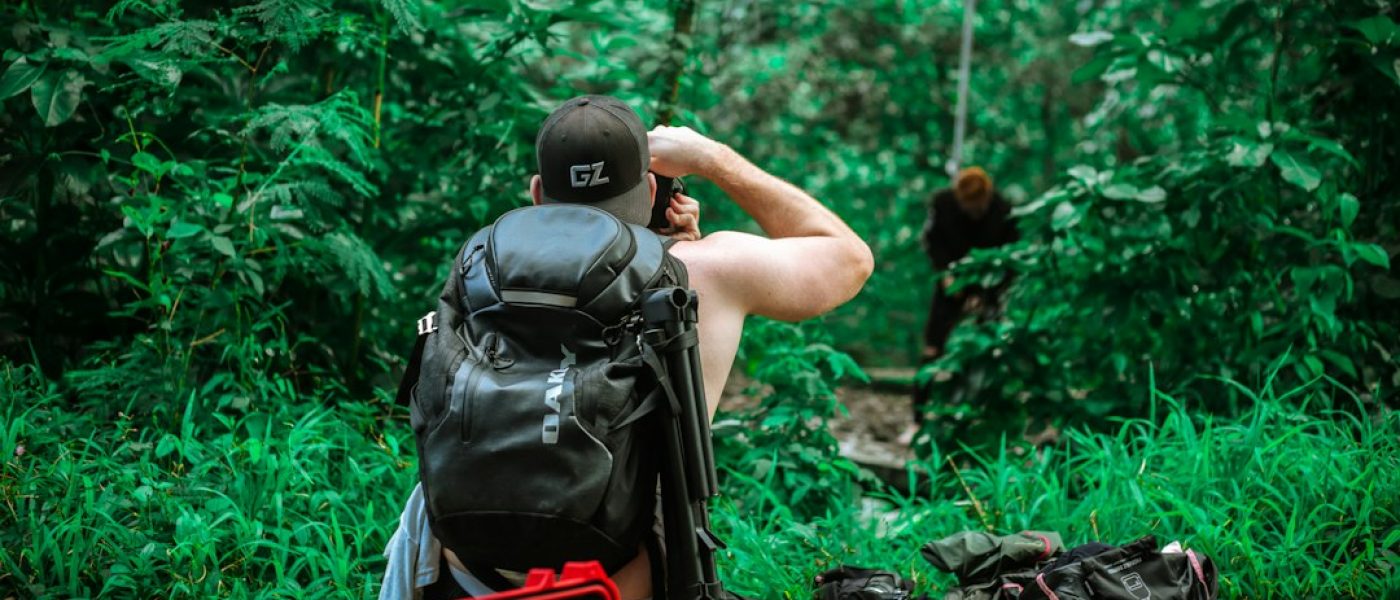
Hiking is an exhilarating way to connect with nature, but having the right gear can make all the difference in your experience. Whether you’re a seasoned hiker or just starting out, knowing what to pack is essential for a successful adventure. At trailblazerequips.com, we understand the importance of quality hiking gear, and we’ve compiled a list of the top 10 must-have items that will enhance your hiking experience.
1. Sturdy Hiking Boots
Your feet are your most important asset on a hike, and investing in a good pair of hiking boots is crucial. Look for boots that provide ample support, are waterproof, and have a good grip for various terrains. A well-fitted boot can prevent blisters and discomfort, allowing you to focus on the beauty around you rather than your aching feet.
When choosing hiking boots, consider the type of hiking you’ll be doing. Lightweight boots are great for day hikes, while heavier, more durable boots are better for rugged trails. Make sure to break in your boots before hitting the trails to ensure maximum comfort.
2. Quality Backpack
A reliable backpack is essential for carrying all your gear. Look for one that fits comfortably and has enough capacity for your needs. A good backpack should have multiple compartments for organization, hydration reservoir compatibility, and adjustable straps for a custom fit.
When selecting a backpack, consider the length of your hike. For day hikes, a smaller pack will suffice, but for longer treks, you may need a larger pack with more features. Remember to pack it wisely, distributing weight evenly to avoid strain.
3. Hydration System
Staying hydrated is vital during any hike, so investing in a good hydration system is a must. Whether you prefer a water bottle or a hydration bladder, ensure you have enough water for your journey. Many backpacks come with hydration reservoirs, making it easy to sip water on the go.
Consider adding electrolyte tablets to your water supply, especially on hot days or during strenuous hikes. This will help replenish lost minerals and keep your energy levels up throughout your adventure.
4. Weather-Appropriate Clothing
Dressing in layers is key to staying comfortable while hiking. Start with a moisture-wicking base layer to keep sweat away from your skin, add an insulating layer for warmth, and finish with a waterproof and windproof outer layer. This way, you can adjust your clothing as the weather changes.
Don’t forget about accessories like hats, gloves, and sunglasses. These items can protect you from the elements and enhance your comfort. Choose fabrics that are breathable and quick-drying to ensure you stay dry and comfortable throughout your hike.
5. Navigation Tools
Even if you’re familiar with the trails, having navigation tools is essential. A good map and compass can help you stay on track, while a GPS device or smartphone app can provide real-time location information. Make sure to familiarize yourself with these tools before heading out.
In addition to traditional navigation tools, consider downloading offline maps on your smartphone. This can be a lifesaver in areas with poor signal. Always have a backup plan in case technology fails, and know how to read a map and compass.
6. First Aid Kit
Accidents can happen, so it’s wise to carry a first aid kit on every hike. Your kit should include band-aids, antiseptic wipes, pain relievers, and any personal medications you may need. Familiarize yourself with the contents of your kit and how to use them before heading out.
Consider taking a first aid course to learn basic skills. This knowledge can be invaluable in case of an emergency, allowing you to assist yourself or others until help arrives.
7. Multi-Tool or Knife
A multi-tool or knife can be incredibly useful on the trail. From opening packages to making minor repairs, having a versatile tool can save the day. Look for a lightweight option that includes essential tools like scissors, screwdrivers, and a can opener.
When using a knife or multi-tool, always prioritize safety. Make sure you know how to handle it properly and keep it stored securely in your backpack when not in use.
8. Snacks and Energy Foods
Keeping your energy levels up is crucial during a hike, so pack plenty of snacks. Look for lightweight, high-energy foods like trail mix, energy bars, and dried fruits. These snacks are easy to carry and provide the fuel you need to keep going.
Plan your snacks based on the length of your hike. For longer treks, consider packing a more substantial meal, like a sandwich or wrap. Eating regularly will help maintain your energy and keep you motivated on the trail.
9. Trekking Poles
Trekking poles can provide stability and support, especially on uneven terrain. They help reduce strain on your knees and can improve your balance. Look for lightweight, adjustable poles that are easy to pack away when not in use.
When using trekking poles, adjust them to the correct height for your comfort. Practice using them on flat ground before hitting the trails to get a feel for their benefits.
10. Emergency Gear
Finally, always be prepared for the unexpected by carrying emergency gear. This includes items like a whistle, flashlight, and emergency blanket. These tools can be lifesavers in case you get lost or face an emergency situation.
Make sure your emergency gear is easily accessible in your backpack. Familiarize yourself with how to use each item, and consider carrying a small survival guide for reference. Being prepared can make all the difference in your hiking experience.
Step-by-step plan:
Step 1: Assess your hiking needs and choose the right gear. Step 2: Pack your backpack efficiently, distributing weight evenly. Step 3: Familiarize yourself with navigation tools and emergency gear. Step 4: Stay hydrated and fueled throughout your hike.