
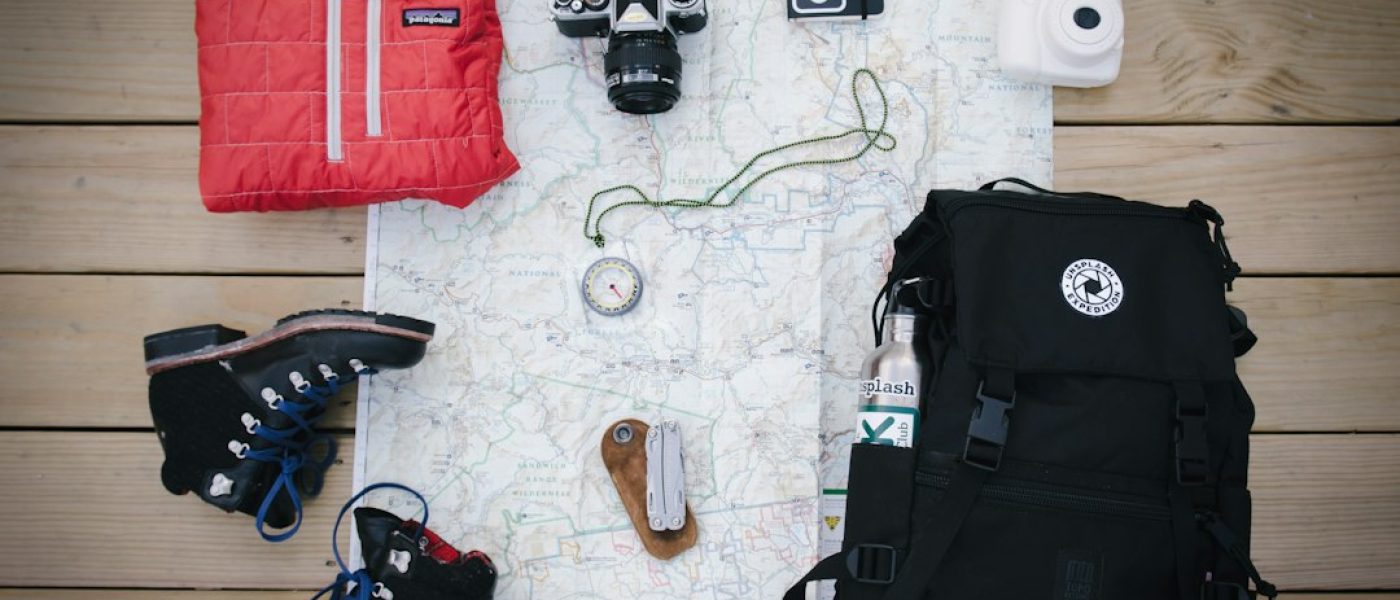
When it comes to hiking, the right clothing can make all the difference between an enjoyable adventure and a miserable experience. Many hikers underestimate the importance of proper attire, often leading to discomfort and even safety issues on the trail. In this article, we will explore the best clothing options for hiking adventures, debunk common myths, and provide insights that will help you stay comfortable while enjoying the great outdoors.
Myth: Cotton is the Best Fabric for Hiking
Many people believe that cotton is the best choice for hiking clothing due to its comfort and softness. However, this is a misconception that can lead to serious discomfort on the trail. Cotton absorbs moisture and takes a long time to dry, which can leave you feeling cold and clammy if you sweat or encounter rain.
Truth: Synthetic fabrics or wool are superior to cotton for hiking. Materials like polyester, nylon, and merino wool wick moisture away from your skin, keeping you dry and comfortable. These fabrics also dry quickly, which is essential for maintaining body temperature and preventing hypothermia in cooler conditions.
Myth: You Only Need One Layer for Warm Weather Hiking
Another common myth is that you only need a single layer of clothing when hiking in warm weather. While it may seem logical to wear less when temperatures rise, this can lead to overheating and discomfort. Many hikers make the mistake of underestimating the importance of layering, even in warmer climates.
Truth: Layering is crucial, even in warm weather. A lightweight base layer can help wick sweat away from your body, while a breathable, long-sleeve shirt can protect you from the sun and insects. Additionally, having a light jacket or windbreaker on hand can provide protection against unexpected weather changes, ensuring you remain comfortable throughout your hike.
Myth: Hiking Boots are Always the Best Choice
While hiking boots are often recommended for their support and durability, many hikers mistakenly believe they are the only option for footwear. This can lead to discomfort, especially for those who prefer a lighter, more flexible shoe. The misconception that boots are the best choice can deter some from exploring alternative footwear options.
Truth: Trail runners or lightweight hiking shoes can be just as effective, if not better, for certain types of hikes. These shoes offer greater flexibility and breathability, making them ideal for warmer conditions and less rugged terrain. It’s essential to choose footwear that suits your hiking style and the specific conditions of your adventure.
Myth: You Don’t Need to Worry About Sun Protection on Cloudy Days
Many hikers believe that sun protection is unnecessary on cloudy days, thinking that the clouds block harmful UV rays. This is a dangerous misconception that can lead to sunburn and long-term skin damage. Even on overcast days, UV rays can penetrate through the clouds, posing a risk to unprotected skin.
Truth: Always apply sunscreen, regardless of the weather. A broad-spectrum sunscreen with an SPF of at least 30 should be applied generously to all exposed skin. Additionally, wearing a wide-brimmed hat and UV-protective clothing can further shield you from harmful rays, ensuring you stay safe while enjoying your hike.
Myth: You Can Wear Any Old Clothes for Hiking
Some hikers believe that they can wear any old clothes they have lying around for their adventures. This mindset can lead to discomfort and even injury, as not all clothing is suitable for hiking. Wearing the wrong materials or styles can hinder your performance and enjoyment on the trail.
Truth: Investing in quality hiking clothing is essential for a successful hiking experience. Look for clothing designed specifically for outdoor activities, which often includes features like moisture-wicking properties, breathability, and durability. Choosing the right clothing can enhance your comfort and performance, allowing you to focus on the beauty of nature around you.